
Polished Living, Minimal Footprint
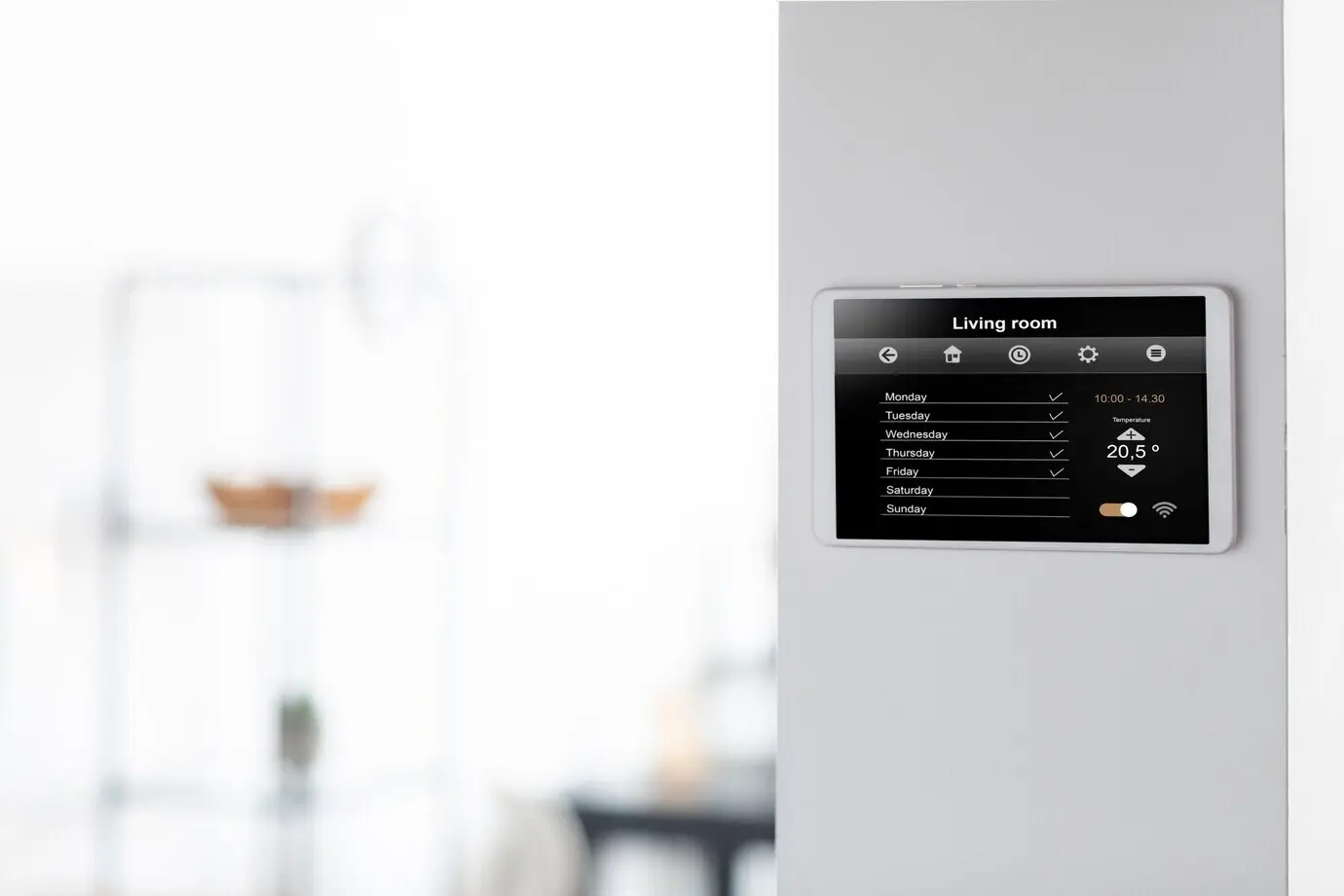
Today we explore Small-Space Elevation: Premium Finishes in Compact Apartments, celebrating how refined materials, crafted details, and thoughtful lighting create generous feeling rooms inside modest footprints. Expect practical examples, human stories, and proven strategies you can apply immediately, plus conversation starters to gather feedback, compare products, and move confidently toward a beautifully resolved compact home.
Materials That Make Square Feet Feel Larger
Premium choices help small rooms breathe by minimizing visual breaks and maximizing reflection, durability, and continuity. Large-format surfaces, slim profiles, and seamless transitions guide the eye across space, while honest textures add warmth without clutter. We will compare stone, porcelain, engineered slabs, and timber, explain when matte beats gloss, and show how continuous flooring and delicate edge details create a calm, expansive impression in everyday living.

Light, Reflection, and the Illusion of Volume
Thoughtful lighting reshapes compact rooms by layering ambient glow, focused task beams, and delicate accents that graze texture. Reflections amplify this effect when mirrors, metallic details, and glass are positioned to bounce light without glare. We compare warm and neutral color temperatures, explain dimming curves for evening comfort, and show how glossy, satin, and matte surfaces cooperate with windows and fixtures to produce balanced depth from morning to midnight.
Place shallow, wall-washing sconces to lengthen walls, combine recessed downlights for task clarity, and suspend one modest pendant as a visual anchor. Smart dimmers orchestrate scenes that shift from energetic breakfast to unwinding late nights. Mount heights and beam spreads matter immensely in small rooms, preventing hot spots and preserving a sophisticated, restful glow.
Mirrors work best when they reflect something beautiful, not clutter. Position them to capture window views or a sculptural light, while choosing bevels and frames that echo door hardware. Brushed metals soften reflections compared with polished chrome. Keep reflective planes aligned with sightlines, avoiding fragmented glimpses that feel busy and instead encouraging calm, elongated perspectives across the room.
Storage That Disappears Into Design
Clutter shrinks rooms; integrated storage restores calm. Built-ins that align with walls, reveal handles sparingly, and conceal appliances create clean surfaces that double as architecture. Pocket doors free swing space and reduce collisions. We will map zones for daily routines, recommend cabinet depths that feel gracious, and share joinery tricks like shadow gaps, finger pulls, and push latches that keep profiles crisp while remaining practical for real life.
Wall-Flush Built-Ins With Architectural Lines
Run cabinetry full height with flush end panels, letting the ceiling line finish the composition. Integrate toe-kick drawers for seasonal items and shallow niches for everyday trays. Align reveals with door frames and electrical plates to avoid visual chatter. The cabinetry becomes a quiet backdrop, making furnishings breathe and circulation feel generous, even when every inch works hard.
Multifunctional Joinery and Foldaway Moments
A dining bench hides charging, a coffee table lifts to a desk, and a headboard conceals linen storage. Hinges and stays must match weight and frequency of use, preserving alignment over years. Specify durable laminates inside and premium faces outside, so the pieces look refined yet survive daily rituals, tight corners, and the enthusiastic curiosity of visiting friends.
Hardware-Free Fronts and Precision Gaps
Handleless fronts read serene, but they demand accurate gaps, sturdy substrates, and quality dampers. Use continuous aluminum rails or discreet pulls underneath to protect finishes. Shadow lines act as delicate frames that guide fingers intuitively. When every opening feels quiet and precise, mornings start calmer, and the apartment’s sophistication becomes a daily companion rather than a weekend indulgence.

Color, Texture, and Calm Continuity
Color controls mood and scale. Continuous hues reduce visual fragmentation, while carefully layered textures add interest at close range. Soft neutrals support light bounce; richer accents belong on small, repeatable surfaces. We explore micro-contrast, how sheen affects walls and wood, and why ceiling color and trim proportions subtly stretch perceived height, letting compact interiors feel poised, restful, and quietly luxurious.

Details That Feel Expensive Every Day
Luxury is in the details you touch every day: a faucet’s weight, a door’s swing, the hush of a soft-close drawer. These choices build trust and comfort. We evaluate switches, dimmers, pulls, and seals, weigh acoustic improvements, and show maintenance routines that defend finishes, ensuring the compact home feels composed and confidently premium long after move-in day.
Solid Touchpoints and Honest Metals
Choose solid brass, stainless steel, or bronze where hands land most. The heft telegraphs quality, and the patina ages beautifully. Coordinate finishes across kitchen, bath, and doors for coherence. Avoid overly fussy profiles that snag sleeves in tight corridors, preserving a smooth, reassuring experience from morning routines to late-night returns with groceries or luggage.
Silent Performance and Hidden Tech
Silence sounds like investment. Underlayments, door seals, and soft-close hardware tame echoes and protect neighborly peace. Hide speakers and routers within ventilated cabinets to keep lines clean. The result is a composed acoustic landscape that supports focus, sleep, and conversation, making compact areas perform with the serenity expected from meticulous hospitality suites.
Maintenance That Protects the Investment
Premium finishes deserve gentle care. Microfiber cloths, pH-balanced cleaners, and seasonal oiling or sealing routines keep surfaces vivid. Build a calendar for stone resealing and hinge adjustments. Quick, consistent attention prevents costly overhauls, preserving the crisp lines and refined tactility that first drew you to upgrade a compact space with enduring confidence.
Case Studies From Tight Footprints
Stories prove principles. We profile tight apartments where premium finishes unlocked calm, utility, and enduring style without enlarging the floor plan. Each example shares constraints, material selections, and before–after impressions. You will find square-footage strategies, budget notes, and small victories that feel big, offering encouragement to begin upgrades even if schedules and resources seem limited right now.
Planning, Budget, and Phasing Without Compromise
Deciding Where Premium Matters Most
Begin with surfaces and devices your hands meet daily, then allocate contingency for hidden infrastructure like substrates and electrical upgrades. A targeted splurge on one visible plane often beats scattered spending. Document decisions in a shared sheet to keep momentum, clarify trade-offs, and celebrate milestones with friends who are following your transformation.
Supplier Relationships and Lead Times
Build relationships with local fabricators, stone yards, and hardware suppliers. Ask about remnants for small counters, request exact slab photos, and confirm edge samples. Lead times shift; regular check-ins avoid surprises. Share your sourcing wins in the comments to help others, and subscribe to receive periodic lists of trusted vendors our readers recommend.
Phased Upgrades With Minimal Disruption
Phase upgrades to suit life events. Replace lighting during one weekend, then address countertops during a quieter season. Protect new finishes with temporary coverings. Post your timelines, ask questions about sequencing, and learn from neighbors’ experiences so the path to an elevated small home feels manageable, exciting, and supported by a generous community.
All Rights Reserved.